On a copper operation in northern Chile, a 90-ton haul truck came into the bay with a steering complaint and a hydraulic pump that sounded perfectly healthy. The gauge showed almost no pressure. Two technicians wanted to condemn the pump immediately. We found a split suction hose pulling air into the inlet and fixed the problem with a hose and clamps. That is the first lesson when a hydraulic pump not building pressure: do not reach for the expensive component before proving the basics.
Hydraulic systems fail in patterns. A pump can be worn, but low oil, a restricted inlet, a stuck relief valve, a broken coupling, or a control problem can create the same symptom. I spent three decades chasing these faults on Caterpillar loaders, dozers, shovels, and mining trucks. I've seen this go wrong. Here's how you avoid it.
Start With Safety and the Symptom
Before testing anything, park the machine on firm ground, lower every attachment, set the brake, shut down the engine, and release stored hydraulic pressure according to the manufacturer’s procedure. Never search for a leak with your hand. A pinhole stream can inject oil through skin and require emergency surgery. Use cardboard, wood, or a proper leak-detection method.
Then describe the fault accurately. Does the attachment move slowly, or does it refuse to move? Is pressure low only when oil is hot? Does the system work at idle but fail under load? Does steering remain normal while implement hydraulics fail? Those details separate a pump problem from a valve, actuator, or pilot-control problem.
Check the oil level with the machine positioned as the service manual specifies. Oil that looks foamy or milky points toward air or water contamination. A burnt smell, metallic shimmer, or unusual darkening deserves an oil sample and filter inspection. A hydraulic pump not building pressure can be starved before it ever has a chance to generate pressure.
Inspect the Inlet Side Before Blaming the Pump
A pump inlet must receive a solid, unrestricted column of oil. Inspect the tank outlet, suction hose, clamps, flange seals, inlet screen, and any ball valve in the suction circuit. A hose can collapse internally while looking fine from the outside, especially after years of heat and vacuum exposure. Loose clamps can let air in without producing an obvious oil leak.
Listen while the system runs briefly at low speed. Whining, growling, or a gravel-like sound suggests cavitation or aeration. Cavitation damages the rotating group quickly, so do not keep operating to see whether the noise clears. Verify that the reservoir breather is clean and that the return filter is not badly restricted. A plugged breather can create tank vacuum, starving the pump.
Field Lesson: On a wheel loader in Western Australia, the owner had replaced a pump twice in one season. The real fault was a suction strainer packed with sealant debris from an earlier repair. The replacement pumps were being ruined by the same blockage. Cleanliness during assembly matters as much as the new part.
Test Pressure at the Right Point
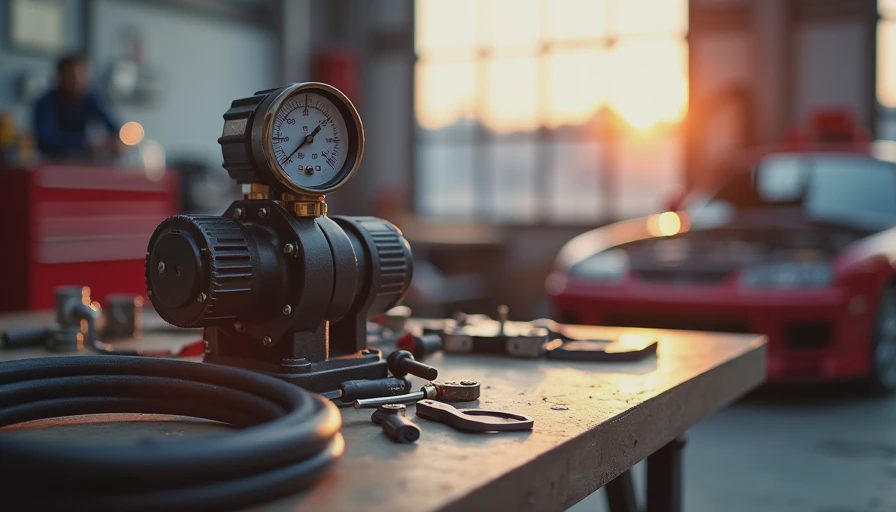
Use a calibrated gauge with the correct pressure rating and fittings. Install it at the test port specified by the machine’s service information, not wherever a convenient plug happens to be located. Some systems have separate pump, pilot, implement, and steering circuits. A low reading in one circuit does not automatically condemn the main pump.
Compare standby pressure, loaded pressure, and relief pressure. If standby is normal but pressure collapses when a function is commanded, suspect internal leakage, a relief valve, a compensator, or a worn pump. If pressure never rises at all, inspect the drive coupling, pump rotation, inlet supply, and control signal first. Never deadhead a circuit for longer than the manufacturer permits; the oil can heat rapidly and a hose or fitting can fail.
A hydraulic pump not building pressure under load may still produce acceptable flow at low resistance. That is why a pressure test alone is incomplete. A flow meter test, performed at the specified temperature and engine speed, shows whether the pump can deliver volume while pressure rises. Excessive case drain on a piston pump is another strong sign of internal wear, but measure it against the manufacturer’s limits rather than guessing.
Check the Relief Valve and Controls
A relief valve stuck open can make the pump appear dead. Dirt, varnish, a damaged spring, or an incorrectly adjusted setting can hold the valve off its seat. Remove and inspect it only after isolating pressure and following the service procedure. Do not turn the adjustment screw randomly. Someone may have already altered the setting, and a higher pressure reading can damage cylinders, motors, hoses, or the machine frame.
Electronic machines add another layer. A faulty pressure sensor, wiring problem, pilot solenoid, or controller command can prevent a variable-displacement pump from stroking. Look for diagnostic codes, verify connector condition, and compare commanded pressure with actual pressure where the diagnostic tool allows it. On older pilot-operated equipment, inspect small hoses for cracks and restrictions.
If one function works strongly while another is weak, the pump may not be the main culprit. A failed work-port relief valve, damaged spool, leaking cylinder seal, or motor with excessive case drain can consume flow after it leaves the pump. Isolate the circuit methodically instead of replacing parts by reputation.
Contamination and Internal Wear
Hydraulic contamination often explains repeated failures. Fine abrasive particles wear valve lands and pump shoes; water reduces lubrication and promotes corrosion; wrong oil can change viscosity and damage seals. Cut open the removed filter if your maintenance program permits it. Shiny metal, brass-colored debris, or a heavy black paste is evidence, not normal dirt.
When a pump has failed mechanically, flushing only the reservoir is not enough. Lines, coolers, valves, cylinders, and actuators can retain damaging debris. Replace filters, clean accessible screens, flush according to the manufacturer’s procedure, and identify where the contamination came from. Otherwise the rebuilt pump may fail before the machine completes a shift.
Temperature changes the diagnosis. Oil that is thin when hot can leak across worn clearances inside a pump or valve, causing pressure loss after an hour of work. If performance returns after cooling, record oil temperature and test flow at both conditions. A hydraulic pump not building pressure only when hot deserves an internal leakage investigation, not a guess based on cold-shop performance.
A Practical Repair Decision
If the inlet is restricted, repair the hose, screen, breather, or seal and retest. If the relief valve is contaminated, clean or replace it and confirm the setting with a gauge. If the coupling is stripped, find out why misalignment or overload occurred before installing another coupling. If the pump fails a measured flow or case-drain test, rebuild or replace it through a qualified hydraulic shop.
Use the correct oil grade, new seals, clean plugs, lint-free practices, and capped hoses. Record the original pressure, flow, oil temperature, filter condition, and repair performed. That record turns the next failure from a midnight mystery into a trend you can manage.
Stop and call an experienced technician when pressure remains abnormal after basic checks, when a high-pressure hose is damaged, when a pump has shed metal, or when the test requires opening a pressurized circuit. The cost of a diagnostic visit is small beside a burst hose, a destroyed valve bank, or an injured operator.
The Field Lesson to Remember
When a hydraulic pump not building pressure shows up on your machine, follow the oil path: reservoir, inlet, pump, control valve, actuator, and return. Prove each section with a gauge, flow test, inspection, or contamination check. Do not let a familiar symptom push you into an expensive guess.
I remember the Chile truck because the pump had been innocent from the beginning. A ten-minute inlet inspection prevented another replacement and got the haul cycle moving before the shift change. That is the habit worth carrying into every shop: slow down, make the system prove the failure, and keep people clear of stored hydraulic energy.