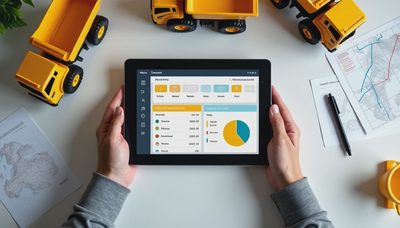
I watched a contractor in western Colorado burn through a good season because they tracked the wrong numbers. They had shiny dashboards, plenty of meetings, and not enough working excavators. One 336-size machine sat three days waiting on a hose failure that should have been caught in a walkaround. That is why **fleet management KPI examples for construction** matter: the right metrics keep iron moving, crews safer, and profit from leaking out of the yard. I've seen this go wrong. Here's how you avoid it.
Start With Availability, Not Fancy Dashboard Numbers
If you run construction equipment, your first KPI is machine availability. Simple. How many machines are ready to work when the crew needs them? A dozer that is owned, insured, fueled, and parked with a dead starter is not an asset that morning. It is a delay with paint on it.
A practical target for many mixed fleets is to keep core production machines in the 85% to 95% availability range, depending on age and application. Track this by unit, class, and jobsite. Break it down into planned downtime versus unplanned downtime. If a wheel loader is down for a scheduled 500-hour service, that is one thing. If it is down because nobody caught a leaking hydraulic line rubbing through on the frame, that is a management problem.
**Field Lesson:** I spent two weeks on a site where management blamed operators for low production. The real issue was three aging excavators with chronic electrical faults. Once we tracked true availability, the argument stopped and the repairs got funded.
A good availability KPI tells you where to focus labor, parts inventory, and replacement planning. It also keeps the office honest about whether the fleet can actually support the schedule promised to the customer.

Track Utilization So You Know Which Machines Earn Their Keep
The next of my favorite **fleet management KPI examples for construction** is utilization. Availability tells you whether a machine can work. Utilization tells you whether it actually did. Too many fleets own expensive iron that only moves a few hours a week while rental bills pile up somewhere else.
Measure utilization with engine hours, idle hours, and percent of scheduled use. For example, if a compact excavator is assigned to a utility crew for 40 hours and only records 18 productive hours, you need to know why. Maybe the crew is waiting on trucks. Maybe the machine is oversized for the task. Maybe it is idling half the day while someone hand-digs around services.
Do not stop at total hours. Separate productive hours from idle hours. A machine can show 10 hours on the meter and still only produce six hours of real work. Excess idle time burns fuel, increases service intervals, and adds wear without moving dirt.
**Safety Alert:** High idle often means poor work planning, but it can also mean operators are staying in the cab longer than they should around unstable trenches, traffic, or weather. Fix the root cause, not just the number.
The best fleets use utilization to decide when to redeploy, rent, sell, or replace units. That is where the money is.
Watch Fuel Burn and Idle Time Like a Hawk
Fuel is one of the fastest ways a job starts bleeding margin. You do not need a graduate degree to see it. If two similar 30-ton excavators on comparable trench work show a big spread in gallons per hour, something is off.
Track fuel consumption per engine hour and, where practical, per unit of production. A loader feeding a crusher can be measured differently from a skid steer cleaning lots, but the principle is the same. Compare like machines doing like work. One machine consistently burning more fuel can point to aggressive idling, poor operator habits, dirty air filters, injector issues, regeneration problems, or simply the wrong machine for the task.
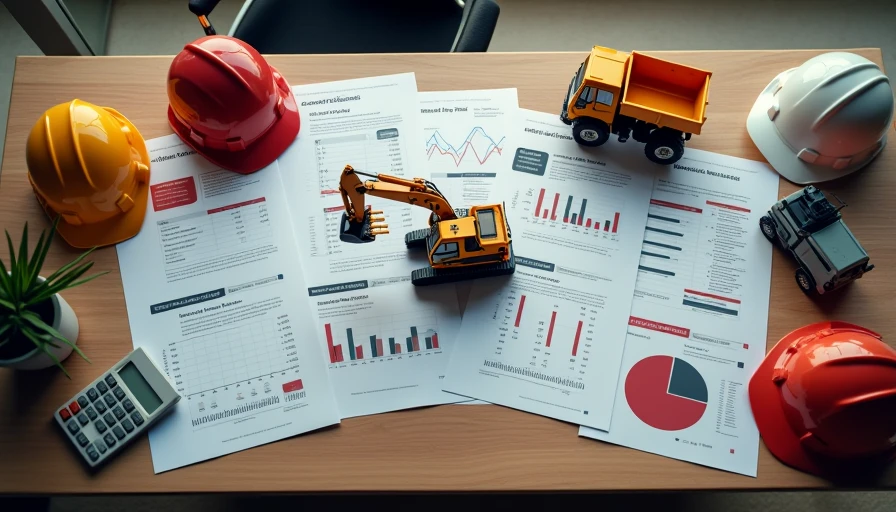
When I review **fleet management KPI examples for construction** with foremen, fuel and idle time are usually the quickest wins. Cutting one hour of unnecessary idle per machine per day across a 20-unit fleet adds up fast over a month. It also reduces soot loading, heat cycles, and maintenance strain.
Do not use the number just to beat up operators. Use it to coach. Some crews improve fuel use by tightening haul routes, staging materials better, and shutting down machines during long waits. That is field-proven savings, not office talk.
Maintenance Compliance Is What Prevents Ugly Failures
Here is the KPI too many outfits ignore until something expensive explodes: preventive maintenance compliance. If your 250-hour, 500-hour, and 1,000-hour services are slipping, your fleet is running on borrowed time.
Measure the percentage of PM services completed on time or within a tight window, such as plus or minus 10% of the service interval. Also track repeat repairs. If the same machine gets sent back out with the same cooling issue twice in a month, your repair process has a hole in it.
Good **fleet management KPI examples for construction** should also include mean time between failures for problem units. You do not need a giant software stack to start. A spreadsheet, accurate service reports, and disciplined hour tracking will tell you plenty.
**Field Lesson:** I saw a contractor postpone planned services to keep machines on a highway job. They won the week and lost the quarter. One neglected cooling system turned into a cooked engine, a rental replacement, and a very bad customer conversation.
Maintenance KPIs work best when the shop, field, and superintendent all see the same numbers. If one side hides downtime to protect appearances, the fleet will punish everyone later.
Put Safety and Cost KPIs Beside Production KPIs
A construction fleet that only tracks output is asking for trouble. You need safety and cost metrics right next to utilization and availability. Track inspection completion rates, defect closeout time, tire or undercarriage damage trends, and incident-related downtime. These are not soft numbers. They are the early warning lights.
For cost control, focus on maintenance cost per hour, outside repair spend, and rental substitution cost when owned iron is unavailable. If your owned grader costs less on paper but keeps forcing emergency rentals, your true fleet cost is higher than the report says.
**Safety Alert:** Never pressure a crew to protect a KPI by running an unsafe machine. I have seen cracked wheel studs, brake faults, and boom issues waved through because the job was behind. That is how people get hurt.
The best **fleet management KPI examples for construction** are the ones a superintendent can act on this week: fix inspection discipline, cut idle, schedule PMs on time, and move underused machines where they are needed. Keep the scoreboard short, visible, and honest. If your numbers do not help you make better field decisions, they are just decoration. Start with five solid KPIs, review them every week, and your fleet will tell you where the profit is hiding.