CASE Targets Uptime and TCO at CONEXPO 2026 with 40+ Machines, New/Upgraded Models, and Electric Iron
The Big Picture (why fleet decision-makers should care)
I watched a rental fleet in Chile lose three full days on a utility trench job because the “right-sized” machine couldn’t run in an indoor mechanical room without setting off air-quality alarms. They had the manpower, they had the materials, but the equipment choice boxed them in. The billable hours didn’t care about excuses.
That’s the business case CASE Construction Equipment is leaning into at CONEXPO-CON/AGG 2026 (March 3–7, Las Vegas): giving contractors, municipalities, utilities, landscapers, and rental houses more ways to match the machine to the jobsite constraints—especially noise and emissions—while also pushing connectivity and precision tech aimed at improving productivity, safety, and total cost of ownership.
CASE says it will show more than 40 machines across 40,000 square feet (West Hall booth #W40701), with nearly 20 new or upgraded models. The theme is practical: equipment and digital tools designed to help crews “work smarter, safer and more efficiently,” with real implications for uptime planning, indoor work capability, and operator-focused improvements that can reduce fatigue-driven errors.
Safety Alert: Trade shows sell excitement. Your fleet lives or dies on disciplined rollouts—training, lockout/tagout practices, and jobsite risk assessments don’t get optional just because a new model has more screens or “assist” features.
Key Details (what CASE is bringing and what’s actually new)
CASE’s CONEXPO message centers on three buckets: updated iron, expansion of electric options, and jobsite/fleet technology.
New and updated excavators
CASE is highlighting:
- New D Series 3-ton mini excavators
- A new midi excavator
- New models added to the E Series full-sized excavator lineup
The company is positioning these updates around versatile attachment capabilities and advances in controls, connectivity and precision technology. For a fleet manager, the “so what” is standardization and utilization: if attachment compatibility improves and controls are more consistent across classes, you can simplify operator cross-training and keep machines earning instead of waiting for a specialist.
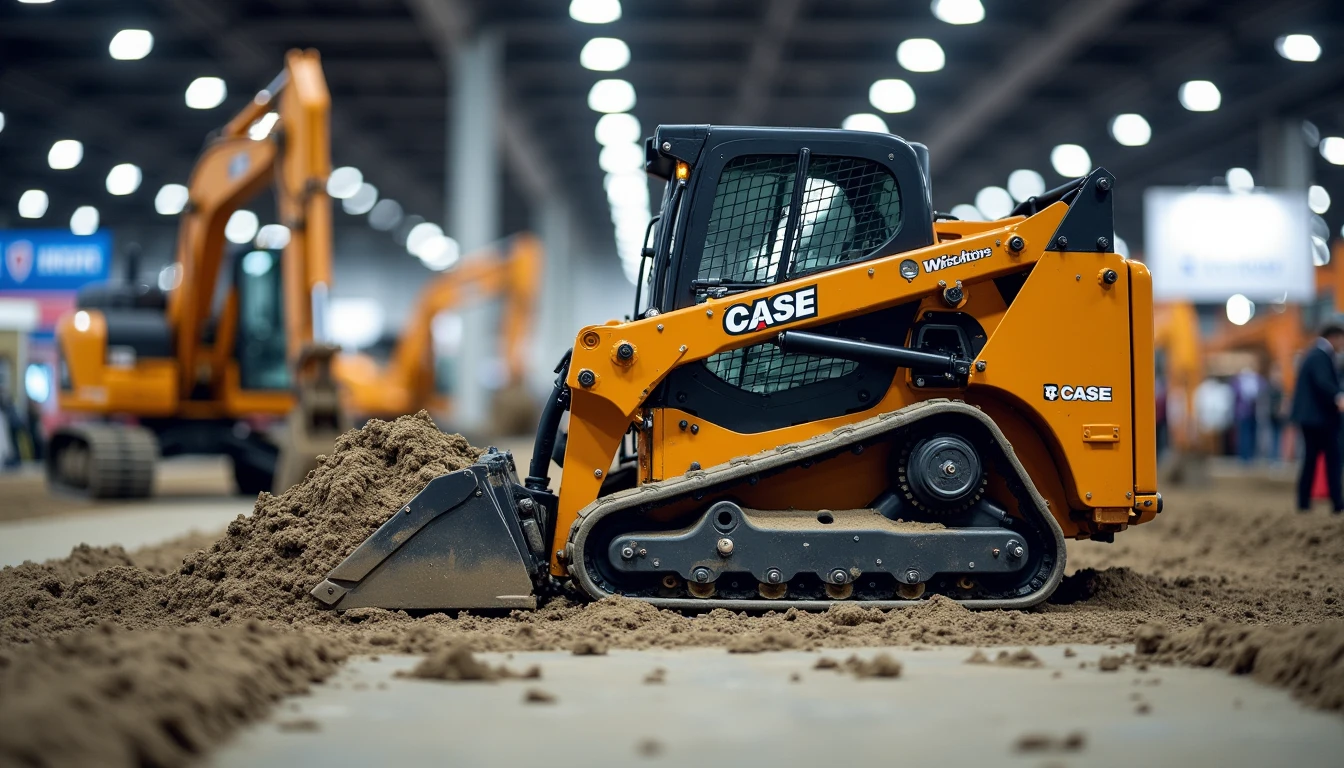
Electric expansion: TL100EV mini track loader
The headline item for indoor and noise-restricted environments is CASE’s all-new TL100EV electric mini track loader, described as:
- Ultra-quiet
- Emissions-free operation
- Same performance as its diesel counterpart
- Able to work indoors
If you’ve got schools, hospitals, airports, food facilities, or any enclosed site where exhaust and noise create schedule risk, this is the kind of capability that can protect revenue by reducing work stoppages and compliance conflicts.
Field Lesson: I’ve seen “we’ll just ventilate it” turn into a shutdown when wind shifts, doors close, or someone complains. Indoor-capable, emissions-free iron doesn’t just save air—it saves the schedule.
Wheel loaders: compact and large updates
CASE is bringing:
- New G Series compact wheel loaders with operator-friendly cab improvements
- Upgraded large wheel loaders featuring operator-assist tools including AutoDig and rear object detection
Operator-assist and detection features are only as good as the training and the site rules that come with them. But for high-cycle loading, consistent dig/load behavior can reduce operator variability, which can matter when you’re trying to hit production targets with mixed experience levels.
Safety Alert: Rear object detection is not a license to back up blind. If your ground personnel get complacent because “the machine will beep,” you’ve just built a failure into your process. Keep your traffic plans, spotter rules, and exclusion zones tight.
Dozers preview: N Series coming late 2026
CASE says attendees can preview new N Series dozers expected to arrive in late 2026, with upgrades to:
- Performance management
- Visibility
- Operator experience
For procurement planning, “late 2026” matters. If you’re mapping replacement cycles, you’ll want to time demo units and spec reviews so you’re not buying outgoing configurations right before meaningful updates land.
Digital tools and fleet intelligence
CASE is also pushing its digital stack, including:
- myCASEConstruction app for real-time fleet intelligence
- “Digital solutions” aimed at optimizing efficiency, precision and total cost of ownership
Connectivity only pays when it’s operationalized—alerts routed to the right people, preventive maintenance schedules tied to real utilization, and accountability for response times.
Operational Impact (maintenance, uptime, utilization, and TCO)
Here’s how this lineup should translate into action for decision-makers.
1) Indoor work and zero-emissions use cases
The TL100EV’s stated indoor capability, ultra-quiet operation, and emissions-free profile can expand where you can legally and practically run a loader—especially on sites with strict environmental requirements or tight neighbor relations. That’s not a “green” talking point; it’s utilization and schedule protection.
Your job is to quantify how often you face indoor or noise-sensitive work and what it costs you when you can’t operate. Even without price data in the release, you can still build a utilization-based justification: fewer stoppages, fewer forced off-hour shifts, fewer jobsite restrictions.
2) Operator experience isn’t comfort—it's risk control
Cab improvements and visibility upgrades are about more than morale. Better ergonomics and sightlines can reduce fatigue and mistakes over long shifts. If you run multiple crews or rotate operators across machines, consistency in controls and interface matters.
Field Lesson: I’ve investigated enough smashed tailgates and bent counterweights to tell you: the “minor” operator-experience upgrades often prevent the expensive, dumb incidents that never show up in your purchasing spreadsheet.
3) Attachments and versatility: keep assets earning
CASE’s emphasis on attachment capability across excavators signals a productivity play. If one base machine can cover more tasks via attachments, you can improve utilization—assuming you manage attachment inventory properly and train operators to use it safely.
Safety Alert: Attachments multiply pinch points and stored-energy hazards. Treat every attachment swap like a critical lift: stable ground, correct pin engagement, hydraulic pressure relieved, and nobody in the crush zone.
4) Fleet intelligence: the difference between data and decisions
CASE is promoting real-time fleet intelligence through the myCASEConstruction app and related digital tools. The value for fleets is not the app—it’s the process:
- Turn utilization and fault data into preventive maintenance schedules.
- Use alerts to cut mean time to repair by getting parts and techs staged before a machine fails on the job.
- Standardize reporting so you can compare mean time between failures across similar assets and job types.
What to Watch (compliance, rollout risks, and timing)
- Electric jobsite fit: Emissions-free indoor operation is a clear differentiator where internal combustion exhaust is a constraint. Validate jobsite policies and customer requirements early so you’re not caught improvising.
- Operator-assist feature governance: Tools like AutoDig and rear object detection need written operating procedures and training sign-off. Technology doesn’t replace safe systems of work.
- Product timing: The N Series dozers are described as expected in late 2026. If you’re planning dozer replacements, align demos and spec evaluations to avoid buying too early—or waiting too long.
Bottom Line (what fleet and ops managers should do next)
If you’re attending CONEXPO 2026, treat CASE’s booth as a working session, not a walk-through. Focus on three decisions:
1) Identify indoor/noise-restricted segments in your workload and evaluate the TL100EV electric mini track loader against your current diesel utilization limits.
2) Standardize around attachment-capable excavator platforms where it simplifies training and improves utilization—then lock down the attachment safety process.
3) Demand a clear digital workflow for any “real-time fleet intelligence” tools: who monitors, who dispatches, and how it feeds preventive maintenance schedules and uptime metrics.
I’ve seen fleets buy great machines and still lose money because they skipped the rollout discipline. New iron and new tech can pay—but only when you run it like you mean it.