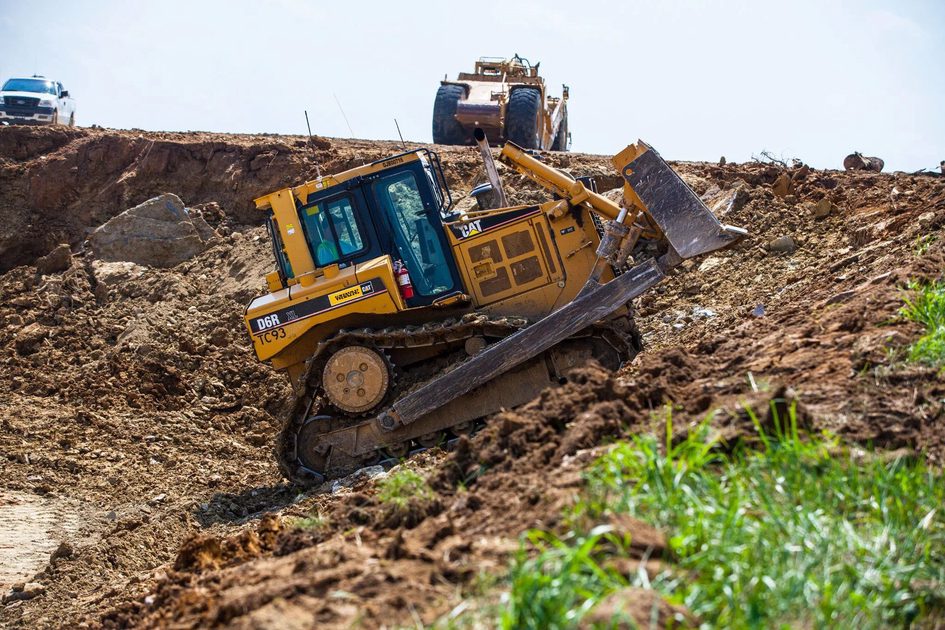
Road construction is a punishing industry. Day after day, it pushes both personnel and machinery to their absolute limits. At the heart of every project stand pavers and rollers — the workhorses responsible for laying the surfaces we travel on. These machines endure brutal conditions: choking dust, searing heat, and relentless heavy loads with no opportunity for recovery.
Keeping pavers and rollers in top condition goes far beyond simply preventing breakdowns. It means preserving peak performance, avoiding costly project delays, and protecting the workers depending on that equipment. With schedules under constant pressure and budgets stretched thin, unexpected downtime is simply not an option.
This guide is written for the construction mechanics, site supervisors, and machine operators who understand that equipment care is serious work. We will walk through practical best practices that keep pavers and rollers performing at their best, and examine how proven solutions can help shield critical components while stretching maintenance budgets further.
Road construction demands durability — and durability begins with proper maintenance.
Pavers and rollers may share the same job site, but the stresses they endure differ enormously. Recognising those differences is the foundation of any maintenance routine that genuinely protects your investment.
Pavers: Pavers work in intense heat, sometimes exceeding 150°C near the screed. They handle heavy, adhesive asphalt that can penetrate moving parts. Hydraulic systems, conveyors, augers, and screeds are under unrelenting strain. The dangers of thermal expansion, seal failure, and contamination are constant realities.
Rollers: Rollers, by contrast, withstand non-stop vibration and compressive load. Their drums must remain perfectly balanced and defect-free to produce consistent compaction. Continuous vibration can loosen fasteners, damage bearings, and wreak havoc on hydraulic circuits. Water spray systems designed to prevent asphalt adhesion must stay fully operational to avoid costly surface defects.
Common Threats: Both machines share a common adversary — abrasive dust and debris. Fine particles infiltrate bearings, filters, and joints, triggering premature wear. The combination of heat, vibration, and grime creates a punishing environment that challenges even the most robust equipment every single day.
This is precisely why selecting the right maintenance strategies — and the right products — is so important. Protecting your machines means respecting the punishment they endure every hour they operate.
Waiting until a machine fails before addressing the problem is a guaranteed way to blow out budgets and blow past deadlines. In road construction, preventative maintenance is not optional — it is fundamental. A structured service schedule transforms downtime from a chaotic emergency into a predictable, planned event.
- Check fluid levels: engine oil, hydraulic oil, coolant, and water tanks.
- Walk the machine to identify leaks, tyre wear (on wheeled pavers), and visible damage.
- Monitor for unusual sounds, vibrations, or smoke while the machine is running.
- Clean critical surfaces, particularly around the screed and conveyors on pavers.
- Lubricate all required joints and moving components.
- Examine belt tension, chain drives, and roller drums for wear or misalignment.
- Verify that roller water spray systems are delivering uniform coverage.
Monthly Maintenance:
- Replace air, fuel, and hydraulic filters as required.
- Inspect hydraulic hoses for cracks or abrasion damage.
- Review electrical systems and control panels for fault codes or wiring deterioration.
- Carry out complete fluid changes based on operating hours and manufacturer guidelines.
- Flush and renew coolant systems to guard against overheating during the summer peak.
- Conduct thorough inspections of augers, conveyors, and drum vibration mechanisms.
A well-designed preventative maintenance programme not only cuts unplanned downtime but also extends the service life of critical components. Operators should log observations daily, and mechanics should review those logs each week to catch minor issues before they escalate.
Sound maintenance schedules also depend on selecting high-quality consumables. For hydraulic systems operating under intense load, using fluids engineered for high-temperature and high-pressure environments makes a real difference. Mechanics can count on Valvoline Premium Hydraulic Oils to deliver reliable performance even under the harshest construction site conditions.
Yet many workshops still fall for the assumption that any oil will suffice. The reality is that using the wrong lubricant can destroy a machine from within. Extreme heat, heavy loads, and relentless vibration mean construction equipment requires products specifically formulated to handle these conditions.
Consider pavers as an example. Their engines, screeds, and augers run at scorching temperatures. A standard oil might hold up for a few days, but thermal breakdown will eventually lead to deposits, sludge, and accelerated wear. Rollers face equally harsh conditions — their drums generate continuous vibration, creating micro-movements inside bearings that only the right vibration-resistant greases can properly absorb.
One of the most common mistakes on job sites is topping up hydraulic reservoirs with whatever fluid happens to be nearby. It might save five minutes in the moment, but it can cost thousands in repairs when seals swell, hoses crack, and pumps give out. By contrast, using high-performance solutions such as Valvoline Heavy Duty Engine Oils and Valvoline Premium Greases ensures that every moving part stays protected regardless of how demanding the work gets.
Did you know? Industry research indicates that up to 70% of hydraulic system failures are caused by contaminated or incorrect fluids. That means better lubrication is not simply a nice-to-have — it is the dividing line between a machine that performs and one that fails.
Smart teams also take advantage of tools like the Valvoline Lubricant Advisor, which helps mechanics and fleet managers identify the right product for each machine based on operating conditions, equipment type, and climate. It eliminates guesswork from the lubrication process and ensures the correct product is always applied in the right place.
If you expect your equipment to go the distance, never compromise on lubrication. Well-lubricated machines are the machines that build better roads — and better futures.
If lubrication is the lifeblood of heavy equipment, cooling systems are the thermostat. Without a properly functioning cooling system, even the most capable paver or roller will rapidly succumb to extreme heat and shut down.
Overheating is an insidious problem. It develops unnoticed until it cracks engine blocks, compromises hydraulic seals, or scorches wiring. Pavers are especially at risk, with their screeds operating mere centimetres from molten asphalt. Rollers are no safer — compacting freshly laid tarmac under a blazing sun can quickly push engine temperatures well beyond acceptable limits.
Diligent coolant maintenance is non-negotiable. Simply topping off the coolant tank occasionally is not enough. A proactive approach ensures the cooling system is performing its function every working day, not just when an inspector is on site.
Three straightforward rules for keeping your equipment cool and efficient:
- Inspect Coolant Levels Daily — Declining coolant levels are an early indicator of leaks or evaporation. Always verify levels before beginning work.
- Flush and Replace Coolant Seasonally — Aged coolant loses its protective additives, leaving the system vulnerable to internal corrosion and scale buildup.
- Use the Right Coolant — Construction equipment requires coolants capable of resisting both boiling and freezing under tough operating conditions. Products like Valvoline Extended Life Coolants provide superior protection, keeping engines stable through summer peaks and freezing winter operations alike.
Neglecting these fundamentals can transform a minor cooling issue into a catastrophic failure. What makes it worse is that overheating frequently triggers cascading damage across the engine, hydraulics, and electrical systems, compounding repair costs dramatically.
Even meticulously maintained equipment will eventually show warning signs. The crucial skill is identifying those red flags early, before a minor fault becomes a major breakdown. Construction sites are high-pressure, fast-moving environments, and small details are easy to overlook when deadlines are looming. But a sharp operator or mechanic can catch problems early — protecting both the budget and the schedule.
Pay close attention to how machines sound and behave. Unfamiliar noises are often the earliest indicator that something is amiss. A grinding or rattling sound may point to bearing failure, while a high-pitched squeal could signal a slipping belt or a failing hydraulic pump. Vibrations that feel out of the ordinary — stronger, weaker, or more erratic than usual — are equally important warning signs.
Watch for visual clues as well. Fluid leaks — whether oil, coolant, or hydraulic fluid — should never be overlooked. Even small puddles beneath a paver or roller can indicate serious internal problems. Smoke or steam during operation is always cause for immediate concern. Blue smoke suggests oil is burning, while white steam may indicate overheating or a coolant leak.
Make it a daily habit to monitor these three key indicators:
- Sounds — Listen for any unfamiliar noises during startup, operation, and shutdown.
- Vibrations — Notice any changes in how the machine runs or compacts material.
- Leaks and Smoke — Watch for fluids or emissions appearing where they should not.
When something seems off, trust that instinct. Acting early is invariably cheaper and faster than waiting for a full-scale failure.
Machines, much like people, signal when they are under stress. It is simply a matter of paying attention and responding before small warnings develop into costly repairs.
A maintenance plan is only as effective as the team executing it. In the demanding world of road construction, everyone on site has a role in keeping equipment healthy. Mechanics, operators, and site managers must collaborate, sharing accountability for the machines that keep projects on track.
Training is where it all starts. Operators need to understand more than basic machine operation — they must recognise early warning signs and know how to carry out daily inspections correctly. Mechanics should stay current on the latest service techniques and product technologies, positioning themselves to make informed decisions when working on machinery. Managers, meanwhile, must cultivate a culture where reporting small problems is welcomed, not discouraged. A team that communicates openly about equipment condition prevents minor issues from escalating into site-halting emergencies.
Regular toolbox talks and refresher sessions reinforce maintenance habits as part of the daily routine. It should never be acceptable to rush into the day's work without completing a quick inspection or to dismiss unusual noises as normal. A well-trained team treats their machinery with genuine respect, recognising that maintenance is not an additional burden — it is an integral part of the job.
At the end of every working day, a construction site performs only as well as its machines. And those machines perform only as well as the people who look after them.
In a busy construction environment, it is tempting to focus exclusively on immediate tasks and let documentation slip. However, thorough maintenance records are among the most valuable resources available to any workshop or fleet manager. Logging every inspection, service, fluid change, and component replacement builds a detailed history for each machine. That history makes it far easier to anticipate future issues, schedule preventative work, and substantiate warranty claims when problems arise.
Comprehensive equipment histories also reveal important patterns. If a particular roller repeatedly suffers hydraulic leaks over successive months, the records may show that the root cause is a specific hose type or installation method. Without written documentation, these insights are frequently missed, resulting in the same expensive failures recurring again and again.
Digital solutions have made record-keeping more accessible than ever. Many workshops now rely on straightforward apps or fleet management platforms that allow mechanics and operators to log maintenance activities directly from the job site. Real-time photos, voice memos, and digital checklists can be captured on the spot, eliminating the longstanding excuse that documentation is too slow or cumbersome.
Maintaining pavers and rollers is about far more than preventing breakdowns — it is about building a stronger, more efficient construction operation overall. With the right practices in place, from consistent daily inspections to informed product selection, every machine on site can deliver superior performance and a longer working life. At Valvoline, we are proud to support construction teams with premium lubricants, coolants, and maintenance solutions engineered for the most demanding conditions. With the right partners and the right care, your equipment can keep building the future, one road at a time.



No letters yet — be the first to write.