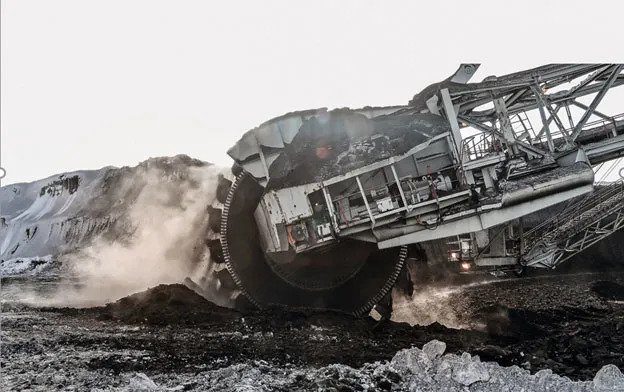
The continuous, uninterrupted operation of mining machines is fundamental to the overall productivity of any mining enterprise. Given the substantial capital investment these machines represent, every additional year of service life translates directly into delayed replacement or repair expenditures.
The mining sector operates under fierce competitive pressure, and the equipment deployed must endure some of the most punishing and hazardous conditions imaginable. Even the most robust heavy-duty machinery is subjected to extraordinary stress as a result. Adhering to disciplined maintenance cycles — encompassing inspection, lubrication, and timely repairs — is what drives sustained uptime and a stronger return on investment for the entire mining operation.
Every piece of mining equipment ships with a manufacturer's manual that defines recommended operating conditions, appropriate settings, and required maintenance procedures. Operating machinery beyond those specified parameters exposes it to elevated risk and dramatically shortens the interval before a breakdown occurs.
The most serious consequence of exceeding recommended load limits extends beyond equipment damage — human lives are placed in jeopardy as well. Such conduct is not only counterproductive and reckless, but morally indefensible and, in most jurisdictions, a violation of the law.
Even short of a catastrophic failure, operating beyond rated specifications sharply accelerates wear and tear on every component. The result is a compressed maintenance schedule — moving parts demand lubrication more often, inspections must be conducted at shorter intervals, and replacement parts are consumed at a far higher rate. All of this introduces unpredictable spikes in operating costs.
The cumulative effect is an operation plagued by more frequent stoppages — sometimes without warning — and significantly higher maintenance expenditure. A mere 10% increase in workload or run time can cause disproportionately greater disruption than simply increasing lubrication frequency by the same 10%.
Because no one can predict precisely when improperly used equipment will fail, the only prudent course is to stay well within safe operating boundaries.
Although lubricants represent only a modest fraction of total maintenance spending in a mining operation, disciplined lubricant management and timely replacement can reduce component wear — and the resulting downtime — by a far larger margin than that small cost share would suggest.
Equipment failures and efficiency losses stem from many sources, and human error ranks among the most common. Overloading, incorrect configuration, and improper installation can all trigger malfunctions or disrupt workflows. That said, even when procedures are followed correctly, the occasional problem remains a possibility.
In most cases, the underlying cause is friction steadily eroding moving parts over years of service. Applying lubricant to those parts is the most effective way to limit friction-related damage. This is precisely why lubrication is integral to every mechanical system, from bicycle chains and sewing machines to the massive machinery at the heart of modern mining solutions.
Three distinct categories of lubricating oils are employed in mining equipment.
Cutting corners by purchasing inferior lubricants will almost certainly prove far more expensive over time. These products directly govern the operational efficiency of heavy mining equipment, making quality a non-negotiable consideration.
The nature of mineral extraction demands that equipment run continuously, with downtime kept to an absolute minimum. Suspending production for extended periods is simply incompatible with maintaining expected productivity targets. Consequently, components such as brushes, bearings, ropes, pins, and gears endure relentless friction-driven wear. Choosing the correct lubricant is therefore critical. An ill-suited lubricant can trigger equipment failure, halt workflows, or shut down production entirely — generating substantial losses from foregone output and revenue, before a single repair bill is even considered.
High-quality lubricants are available from numerous suppliers; however, managing the procurement, delivery, and storage of these materials demands immediate and ongoing attention. Lubrication intervals must be tracked meticulously, and adequate stock levels must be maintained at all times. Routine inspections will expose gaps in the lubrication schedule, and any deficiencies identified must be addressed without delay.
Where on-site storage presents logistical challenges, partnering with a dependable local supplier that offers an onboard delivery lubrication system can substantially strengthen the maintenance program over time. This arrangement may prove preferable to self-managed storage by eliminating the risk of lubricant contamination or degradation caused by improper handling.
Clean storage conditions, a clean delivery environment, and — above all — clean application practices are what ultimately determine lubricant effectiveness. The way personnel handle these materials matters enormously, which is why correct usage protocols must be embedded in every training program.
Cleaning in the conventional sense means washing or wiping components down. In mining environments, however, accumulated grime and contaminants can be far more stubborn and difficult to remove. Ultrasonic cleaning systems are therefore an outstanding solution for heavy mining equipment. The challenge is that this specialized equipment is not widely available, and even where it exists, few staff members would be capable of operating it correctly without dedicated training.
Beyond delivering a far more thorough clean, ultrasonic cleaning works roughly five times faster than most conventional methods. A single trained operator can achieve results that surpass the output of an entire conventional cleaning crew. Because the process works at the microscopic level, results are consistent and uniform — and when the equipment itself is in reasonable condition, the machinery can emerge looking virtually new.
The process also carries meaningful environmental advantages. Cleaning components by immersion in an ultrasonic tank consumes considerably less water than traditional cleaning approaches and cuts detergent use by as much as six times. This substantially reduces staff exposure to hazardous cleaning chemicals and, as an additional benefit, lowers the ecological footprint of the overall operation.
Another effective approach to cleanliness involves prompt replacement of seals and filters at the first sign of compromise. These components serve as the machine's internal protection system, preventing contamination from reaching critical parts and preserving the condition of everything inside.
Protective maintenance must also extend to the surrounding environment. When equipment is idle, it should be stored in a covered, sheltered area that shields it from the elements. Constructing a purpose-built shed, canopy, or enclosed garage for mobile equipment is generally a sound and worthwhile investment.
The significance of environmental responsibility operates on several levels. Since the mining industry already carries a reputation as a major polluter, any demonstrable steps toward greener, more eco-conscious operations represent a meaningful advantage. While this does not directly lengthen equipment service life, it contributes to environmental preservation and can reduce operating costs through lower water and material consumption.
Mining machines tackle extraordinarily demanding work. With large numbers of moving parts, friction and traction of every kind will inevitably wear components down over time. The rapid movement of those parts also generates rapid temperature fluctuations — causing thermal expansion and contraction that prevents components from remaining fixed in position for long.
Beyond friction and heat, age takes its toll on every component. Even the highest-quality alloys will eventually show wear and degradation. Oxidation continues to attack equipment even during idle periods, gradually eroding structural integrity and diminishing operational capacity. Less resilient materials such as belts, seals, and bolts are particularly susceptible, deteriorating faster under the combined assault of environmental exposure and the simple passage of time.
This is the most compelling reason why scheduled monitoring of equipment at regular intervals is non-negotiable. Opportunistic spot-checks are insufficient. A qualified specialist must conduct systematic inspections and issue formal recommendations for part replacements or adjustments to the maintenance schedule.
So what causes the use of mining equipment to go so badly off course? Is negligence always to blame? Do supervisors deliberately pressure workers to push past safe limits in pursuit of production targets?
Inadequate training is by far the most common root cause. A substantial proportion of workers — particularly those new to the industry — lack a clear understanding of the safe and optimal way to operate equipment. They may not recognize where the thresholds lie, or which operating practices are genuinely dangerous and counterproductive.
This reality underscores how indispensable proper training truly is. Management bears full responsibility for hiring appropriately trained personnel, providing training to those who require it, and delivering regular refresher courses to keep competencies current.
Supervisors must also remain alert to workers who are not applying correct safety and operational principles. Unsafe behavior must be corrected on the spot, and additional training provided wherever it is needed.
When such issues recur with regularity, the problem is likely systemic, and a comprehensive, structured effort to overhaul the operational model will be necessary. This is probably the only path to making the mining operation genuinely sustainable over the long term.
It is also worth noting that off-highway vehicles appear frequently in mining operations — the work is not limited to conveyors and drills. This class of equipment may require a more specialized, automotive-style maintenance approach and distinct servicing procedures.
Thorough documentation is an indispensable component of any strategy to extend mining equipment service life. Every maintenance action, every inspection, and every finding should be recorded systematically. This creates a historical record of component degradation over time and materially improves the accuracy and effectiveness of predictive maintenance.
Any instance in which equipment is pushed beyond the parameters defined in its manual should also be logged, triggering an immediate inspection. This kind of real-world data refines maintenance practices and builds a more accurate understanding of what the equipment can realistically withstand.
Comprehensive maintenance records also support effective inventory management, ensuring that spare parts, lubricants, and ancillary supplies remain adequately stocked. They also make it possible to anticipate when bulk orders or specialized procurement will be required.
When external specialists are engaged for parts replacement, documenting the frequency of their visits and the costs incurred provides valuable insight. Over time, this data may support a business case for establishing a dedicated in-house maintenance team rather than continuously outsourcing to external professionals.
Keeping mining machinery operational requires consistent inspection, timely component replacement, and diligent lubrication throughout. Investing in employee training and developing a thorough understanding of equipment capabilities and limits can be genuinely transformative in this industry.
Above all, it is essential to recognize that each category of equipment carries its own operating procedures and maintenance requirements. Consulting specialists about appropriate usage patterns and service intervals for each machine type is not optional — it is a prerequisite for reliable, cost-effective operation.
Ultimately, mining equipment demands a tailored approach to remain productive and to keep maintenance costs under control. Valvoline offers a comprehensive range of greases specifically suited to mining applications, designed to help operations maximize ROI through enhanced operational reliability, a lower total cost of operation, and reduced unplanned downtime.


No letters yet — be the first to write.