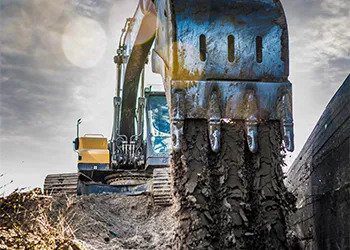
Construction equipment forms the foundation of the global economy, enabling infrastructure development and spurring growth across countless sectors. As construction projects grow in complexity and scale, the need for reliable, high-performing heavy-duty machinery continues to intensify. Keeping these machines in peak condition goes far beyond averting breakdowns — it means optimizing their output to satisfy the exacting requirements of modern construction work.
Our built environment owes much of its shape to the construction sector, which employs millions of workers globally and makes a substantial contribution to national GDP figures. At the heart of this sector lies the construction equipment industry, the essential backbone that allows projects to be executed with speed and precision. The reliability of construction equipment directly determines the productivity and efficiency of the broader industry, making maintenance and performance optimization not merely advantageous but critical to the sector's continued advancement.
Current data reveals both the enormous scale and the strategic importance of the construction equipment industry. The global market was valued at roughly $336.72 billion in 2023 and is forecast to expand at a compound annual growth rate (CAGR) of 9.0%, reaching $458.34 billion by 2027. This upward trajectory reflects the industry's resilience and the mounting demand for construction machinery as infrastructure projects proliferate around the world (GlobeNewswire).
The indispensable role of the construction equipment industry, combined with its strong growth prospects, makes a compelling case for rigorous maintenance practices — encompassing routine inspections, scheduled lubrication with premium-quality lubricants, and the deployment of advanced, long-lasting components. Collectively, these measures lengthen machinery's working life, allow projects to advance without interruption, and reinforce the industry's broader contribution to global development and economic vitality.
Routine inspections are among the most effective tools available for prolonging the service life of construction equipment. This forward-looking approach enables early identification of emerging problems — leaks, wear, and other signs of mechanical stress — that could escalate into serious breakdowns or expensive repairs if ignored. Checking the hydraulic system for fluid loss or assessing the condition of a machine's undercarriage, for example, can head off far costlier damage later. Integrating Valvoline's premium lubricants, such as Valvoline™ Premium Blue™ Engine Oil, into regular maintenance routines both supports the inspection process and guarantees smooth machinery operation under demanding conditions. Consistent use of such superior products meaningfully contributes to sustained peak performance, underscoring the value of thorough inspections within any comprehensive maintenance program.
Timely lubrication represents a foundational element of heavy-duty construction machinery maintenance. Lubricants serve a purpose well beyond enabling smooth mechanical operation — they are indispensable for reducing friction between moving parts, curtailing wear, and preventing the buildup of damaging heat. Allowing lubrication schedules to slip can have serious consequences, accelerating equipment deterioration and ultimately causing premature mechanical failure. The effectiveness of any lubrication program, however, depends heavily on the caliber of products selected. Specially formulated lubricants engineered to meet the extreme demands of heavy-duty engines deliver superior defense against the environmental and operational stresses that characterize challenging construction environments.
Product selection is paramount when it comes to lubrication; choosing a lubricant specifically engineered for heavy-duty construction applications can meaningfully increase equipment longevity and bring down total maintenance expenditure. In short, consistent use of high-quality lubricants is non-negotiable for preserving the health, efficiency, and service life of heavy-duty construction machinery — protecting capital investment and keeping construction projects on schedule.
Maintaining cleanliness across heavy-duty construction equipment is a matter of considerable operational consequence. Accumulations of dirt, debris, and contaminants drive corrosion, accelerate component wear, and promote overheating — all of which degrade machinery performance and shorten its useful life. Routine cleaning serves not only to preserve the equipment's outward appearance but also to sustain its mechanical efficiency. Keeping air filters, cooling systems, and other essential components unobstructed prevents thermal overload and eases strain on the engine. A disciplined cleaning routine, especially on sites where dust and mud are pervasive, substantially lowers the probability of early component failure. When combined with the application of high-quality heavy-duty engine oils and lubricants, thorough cleaning creates a robust defense against the daily punishment of construction operations, ultimately adding years to equipment service life.
Comprehensive operator training extends well beyond teaching the fundamentals of machine operation; it involves cultivating a thorough grasp of equipment capabilities, maintenance requirements, and operational boundaries. Operators with strong training are not only more productive but also far less likely to subject machinery to unnecessary stress. Understanding correct maneuvering techniques, for instance, limits gratuitous wear on components, while awareness of load thresholds keeps engines and hydraulic systems from being overtaxed. Reinforcing the importance of routine checks — monitoring fluid levels and following correct startup and shutdown procedures — keeps equipment in peak operating condition at all times. Sound training programs stress the central importance of maintenance practices and the application of appropriate products to maximize performance and service life, protecting the substantial investment represented by heavy-duty construction machinery.
Selecting high-quality replacement parts is less a routine maintenance task than a deliberate strategy for prolonging the working life of heavy-duty construction equipment. Using components that match or surpass the original equipment manufacturer's (OEM) specifications ensures that machinery performs as designed, lowering the risk of breakdowns attributable to part failure. Beyond sustaining operational performance, this approach helps preserve equipment value over time. Superior-quality parts are built to endure the punishing conditions of construction environments, delivering greater durability and dependability. Opting for premium components allows companies to minimise unplanned downtime and repair expenditure, keeping their machinery productive and reliable over the long term. This deliberate commitment to quality parts signals an organization's dedication to maintaining high operational and safety standards throughout heavy-duty construction projects.
Among the most consequential developments unfolding in the industry are advances in digital monitoring and predictive maintenance technologies. IoT (Internet of Things) sensors and AI (Artificial Intelligence)-powered analytics are becoming ever more deeply embedded in construction equipment. These tools enable continuous, real-time monitoring of machine condition, flagging potential failures before they materialize and scheduling maintenance interventions only when genuinely needed. This migration toward predictive maintenance streamlines the entire maintenance process while substantially cutting both downtime and operating costs.
Adopting a preventative maintenance schedule is essential for getting the maximum service life from construction equipment. Recurring maintenance activities — oil changes, filter replacements, and system inspections — keep machinery operating within optimal parameters, reducing wear and extending its productive life. Preventative maintenance surfaces and corrects developing problems before they worsen, while simultaneously keeping equipment running at peak efficiency and supporting overall project success. A structured, systematic maintenance approach, aligned with manufacturer guidelines and utilizing the right lubricants and parts, can substantially lower total cost of ownership by avoiding large-scale repairs and unplanned operational interruptions. This proactive maintenance philosophy is indispensable for sustaining high productivity and efficiency across the construction industry, ultimately protecting the substantial capital committed to heavy-duty machinery.
The role of lubrication in construction equipment maintenance carries enormous weight: it not only reduces wear and tear and guards against rust and corrosion but also elevates overall machinery performance and extends service life. Beyond these core benefits, advanced lubrication practices pioneered by industry leaders such as Valvoline have introduced lubricant formulations that contribute to improved fuel efficiency, a reduced environmental footprint, and heightened equipment reliability even under extreme operating conditions.
Valvoline's lubricants are engineered with a thorough understanding of the thermal and mechanical stresses that construction machinery routinely endures. High-quality engine oils, for example, are formulated to hold their viscosity under elevated temperatures, ensuring dependable protection during peak operation of a heavy-duty engine. These lubricants also incorporate detergents and dispersants that maintain internal engine cleanliness by limiting sludge accumulation and deposit formation — both of which would otherwise impair performance and accelerate premature wear.
The future of construction equipment maintenance is on the cusp of meaningful transformation, propelled by breakthroughs in materials science, lubrication technology, and digital monitoring capabilities. These innovations are set to further improve the maintenance processes, operational efficiency, and longevity of construction machinery, equipping these machines to handle the continually evolving challenges inherent in modern construction projects.
Advances in materials used for construction equipment components represent one of the most promising frontiers of development. Researchers are actively investigating high-performance alloys and composite materials that deliver exceptional strength, longevity, and resistance to wear and corrosion. Such materials cope with the harsh realities of construction sites far more effectively than conventional alternatives, reducing the frequency of replacements and repair interventions.
Progress in lubrication technology is on course to yield increasingly sophisticated solutions capable of extending machinery service life even further. New formulations are in development that can better tolerate extreme temperatures and pressures, deliver more efficient friction reduction, and provide stronger protection against contaminants and corrosion. Meanwhile, bio-based lubricants — inherently more environmentally responsible — are advancing rapidly in performance, offering high-grade protection while simultaneously lowering the environmental impact associated with construction activities.
The coming years also hold significant potential for the expanded deployment of autonomous and semi-autonomous construction machinery. Equipped with advanced sensor arrays and control systems, these machines can carry out tasks with minimal human direction, navigating and operating with a high degree of independence. This development enhances on-site safety by limiting workers' exposure to hazardous conditions and enables more precise, efficient machine operation — further reducing the mechanical stress and wear that equipment sustains over time.
Extending the operational lifespan of construction equipment is central to achieving greater productivity, efficiency, and sustainability across the construction sector. By consistently applying the practices outlined above, companies can significantly boost the durability and dependability of their heavy-duty machinery. These measures not only armor equipment against the relentless demands of construction work but also advance environmental sustainability by optimizing fuel consumption and cutting emissions. Developments in lubrication technology and maintenance strategy alike reflect the industry's commitment to innovation, operational excellence, and environmental responsibility — ensuring that construction equipment remains equal to the evolving demands of modern infrastructure and sustainability objectives.
Valvoline's portfolio of construction industry solutions spans a comprehensive range of lubricants tailored to the specific needs of heavy-duty machinery. From hydraulic oils and diesel engine oils to greases, Valvoline's products are engineered to minimize the risk of premature failure, lengthen drain intervals, and cut maintenance downtime. By selecting Valvoline, construction companies can be confident that their equipment is protected by lubricants that not only meet but surpass industry standards — reducing operational costs and strengthening the bottom line.



No letters yet — be the first to write.