Equipment downtime in the European mining industry carries an average cost of roughly $180,000 (€160,000) per incident. When these costs accumulate across the industry on an annual basis, the total can exceed €9 billion — a figure that underscores just how severely maintenance failures can affect mining operations financially.
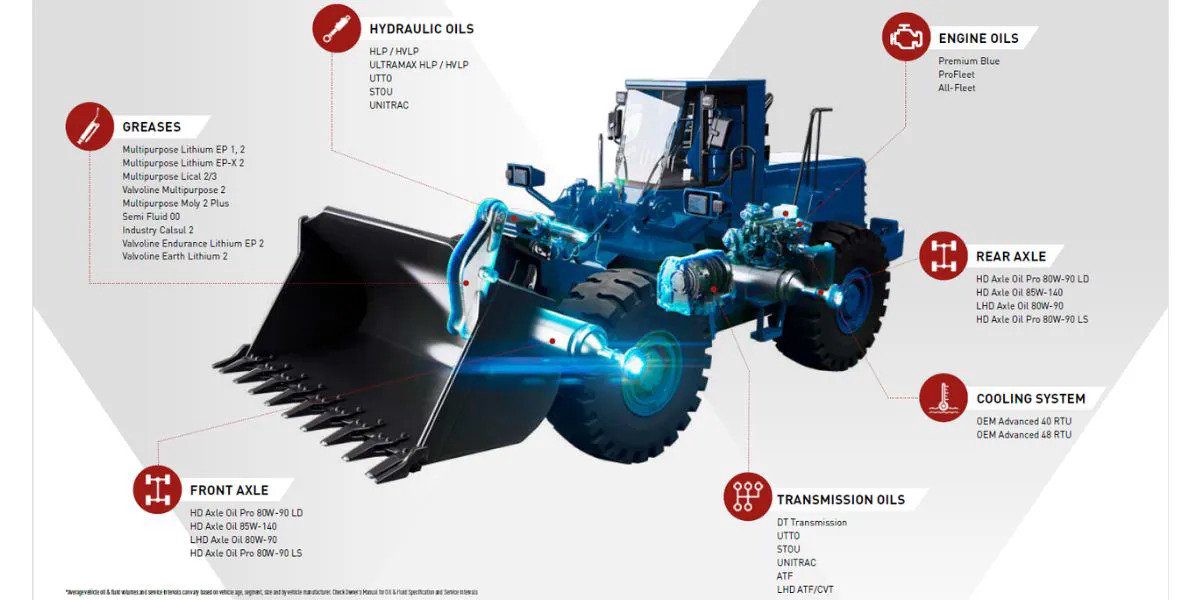
Every type of mining machine — from drills and haul trucks to excavators and loaders — must satisfy strict lubrication requirements to remain operational and perform effectively over time. These requirements vary based on each machine's specific application, the loads it handles, and the conditions under which it operates.
A thorough review of manufacturer guidelines is the right place to begin when evaluating these requirements. Those guidelines outline critical details including recommended viscosity grades and lubricant specifications suited to mining equipment. Following these recommendations matters greatly, since applying the wrong viscosity or an unsuitable lubricant type can result in inadequate protection or outright equipment failure under load. Products like Valvoline's ProFleet are built to address a broad spectrum of these requirements, making them adaptable across a wide variety of mining machines.
Mining equipment endures punishing conditions every single day. These machines must operate through the most demanding environments imaginable, with constant exposure to dust, mud, moisture, and elevated temperatures. Selecting the appropriate lubricant is therefore essential to ensuring that such conditions do not undermine the operational integrity of your machinery.
Lubricants intended for mining applications must demonstrate exceptional resistance to both contamination and heat degradation. High concentrations of dust common at mining sites can clog machinery components, while temperature fluctuations can alter lubricant viscosity and reduce efficiency. It is critical to choose lubricants capable of resisting thickening from contamination and maintaining their protective characteristics across a broad temperature range — this directly reduces the risk of premature deterioration in key components. Moisture poses an additional threat, whether introduced through operational processes or ambient humidity, as it can trigger rust and corrosion. Lubricants with strong water-displacement properties are therefore indispensable, as they form a protective barrier that prevents water from making contact with equipment surfaces.
The enormous loads handled by heavy-duty machines such as loaders and excavators generate significant mechanical stress on their components. Lubricants with superior anti-wear properties and high load-bearing capacity are the right choice for these applications, as they help extend the service life of critical parts and bring down overall maintenance costs. Extreme Pressure Gear Oil, for example, is purpose-engineered for exactly these demands — providing robust protection in heavy-duty applications by withstanding extreme pressures.
When considering a switch to a new lubricant, evaluating how it interacts with the existing lubricant already in use is an essential step. Incompatible lubricants can cause lubrication failure, which drives up friction and wear and ultimately damages machinery. Carrying out a thorough compatibility assessment helps avoid unplanned outages and the costly repairs that follow.
To ensure a smooth introduction of new lubricants into your mining operations, begin by consulting the relevant product datasheets for compatibility information. These documents typically contain important details regarding how well the new lubricant will blend with products already in service, without breaking down or losing its functional and protective properties.
Beyond reviewing datasheets, performing an actual compatibility test is strongly advisable. This can be done by combining a small quantity of the new lubricant with the existing one under controlled conditions and observing the mixture for any adverse reactions — such as separation, coagulation, or shifts in viscosity and lubricity. What you observe during this test can serve as a reliable indicator of how the new lubricant will behave once fully integrated into the machinery's system.
In today's environmentally conscious market, lubricants must meet both performance and sustainability standards. Valvoline's Bio line is a strong recommendation in this regard, delivering environmental advantages without any compromise to performance. These products are formulated to extend oil drain intervals, lower emissions, and support recyclability.
For businesses operating in Europe — where industries like mining face growing environmental scrutiny — adopting eco-friendly lubricants also provides a practical pathway toward meeting regulatory requirements and fulfilling broader sustainability commitments.
To summarize: selecting the right lubricant for heavy-duty mining equipment requires a clear understanding of your machinery's specific demands, the operational environment it faces, and your sustainability targets. Valvoline's range of industrial products, developed specifically for the severe conditions found in mining, enables operators to address all of these requirements comprehensively. Always engage a lubrication expert to ensure your choices are well-informed and properly matched to the unique challenges of your mining operation.

No letters yet — be the first to write.