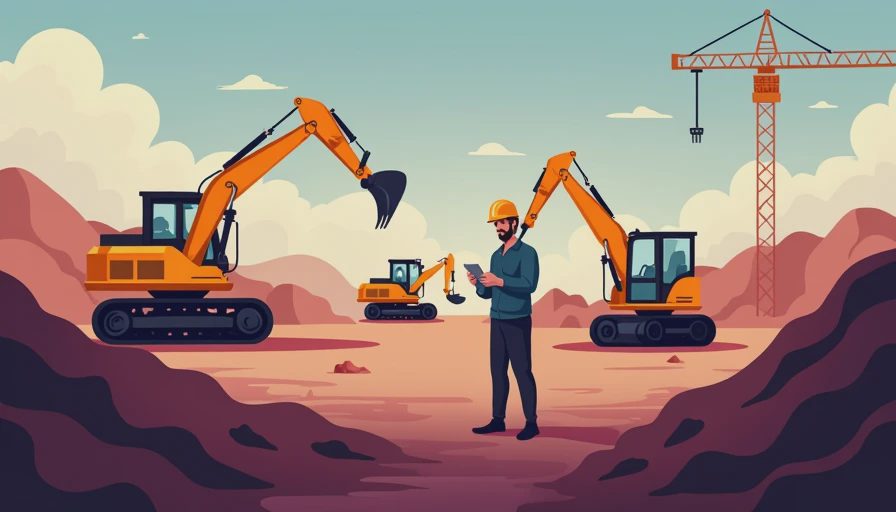
I watched a mid-size excavator cook itself on a pipeline spread in Wyoming because nobody caught a week of rising coolant temp, long idle hours, and a green operator running it like a rented mule. The machine did not fail because iron is weak. It failed because the site was blind. That is where **telematics for construction equipment** earns its keep. I've seen this go wrong. Here's how you avoid it. If you run loaders, dozers, skid steers, excavators, or haul units, good telematics is not a gadget purchase. It is a way to see bad habits, missed service, and hidden downtime before they turn into a tow bill.
What telematics actually does on a jobsite
A lot of folks hear telematics and picture a fancy map with machine dots moving around. That is the shallow end of the pool. In the field, telematics for construction equipment pulls machine data from the ECM and turns it into something a foreman or fleet manager can act on: location, hours, idle time, fuel burn, fault codes, maintenance intervals, and sometimes payload or operator behavior depending on the machine and system.
Cat Product Link, Komatsu Komtrax, John Deere JDLink, Volvo CareTrack, and mixed-fleet platforms all play in this space. Some are better at OEM fault visibility, some are better at mixed-fleet dashboards. The right one depends on whether your pain is theft, fuel, service planning, or operator accountability.
Field Lesson: the best telematics setup is the one somebody actually checks every morning. A perfect dashboard nobody opens is just expensive wallpaper.
Where the real money shows up first
The fastest savings usually come from three places: cutting idle time, reducing unnecessary travel, and preventing service misses. On many sites, machines sit and idle through breaks, truck waits, and shift changeovers. It does not sound like much until you add up 1.5 to 3 idle hours a day across ten machines. That fuel bill gets ugly fast, and idle hours still count toward service intervals on many maintenance plans.
Then there is dispatch waste. I have seen a service truck burn half a day hunting for a dozer that everybody swore was on the north cut. Telematics fixed that in one screen. Same goes for utilization. If one compact track loader is buried in overtime while another sits all week, telematics for construction equipment makes that mismatch obvious.
Safety Alert: data does not replace a walk-around. If a machine reports fine but has a loose track shoe, leaking hose, or cracked ladder, the machine is not fine. Use telematics to support inspection, not skip it.

The warnings worth paying attention to
Not every alert deserves a panic call, but some absolutely do. Repeated high coolant temperature, low engine oil pressure, diesel particulate filter issues on newer machines, low battery voltage, and hydraulic over-temp events need eyes on them. So do fault patterns that happen at the same time every day, because that usually points to a work habit, not random chance.
I learned that on a quarry loader years back. The machine kept logging hydraulic temp warnings late afternoon. Not a bad pump, not a plugged cooler. The operator was carrying with the bucket rolled wrong and riding relief too often on a long uphill haul. We corrected technique, cleaned the cooler pack, and the alerts stopped.
That is the value of telematics for construction equipment when it is paired with actual field knowledge. Data tells you where to look. It does not turn a rookie into a diagnostician. If you are seeing repeat critical events, stop guessing and get a qualified shop involved before a nuisance code becomes a hard failure.
How to use telematics without turning the crew against it
Here is where a lot of managers step in a hole. They treat telematics like a spying tool instead of a production tool. Operators know when the office only looks at reports to assign blame. Once that happens, every discussion turns defensive, and your data gets ignored.
Use it to coach, not just punish. Show operators their idle numbers beside fuel burn. Show travel routes that waste undercarriage life. Show side-by-side comparisons between two similar machines doing the same task. Most good hands will respond if the goal is to make the day smoother and safer.
Spent two weeks on one site where telematics reports were posted every Friday. Not names, just machine numbers, idle percentage, and downtime reasons. Within a month, idle dropped, PM compliance improved, and everybody knew which unit was becoming a problem child.
Field Lesson: if your reports are too complicated for a superintendent to understand in two minutes, simplify them. The field does not need more screens. It needs better decisions.
Buying advice: what features are worth paying for
Do not buy by brochure. Buy based on what hurts your operation most. If theft and unauthorized use are your headaches, geofencing, after-hours alerts, and location history matter. If maintenance is the issue, prioritize service interval tracking, fault code visibility, and inspection integrations. If fuel cost is chewing your margins, focus on idle reporting, utilization, and fuel trend data.
Mixed fleets need special attention. OEM systems are often strongest on their own machines, but a contractor running Cat, Deere, Bobcat, and Takeuchi may need a platform that pulls them into one place. Ask how often the data updates, what the subscription costs after year one, and whether your shop can export the data into your maintenance system.
Expect basic telematics hardware and subscriptions to range from modest monthly fees per machine to more robust enterprise pricing for larger fleets. The cheapest option is not always cheap if it hides weak alerts or clumsy reporting.
The bottom line for contractors and shop foremen
Telematics for construction equipment is worth it when you use it to prevent bad surprises, not just record them after the fact. It helps you catch idle waste, service misses, abuse patterns, unauthorized use, and machine movement issues before they drain profit. It also gives shop foremen a cleaner maintenance rhythm because service hours, fault history, and utilization are not trapped in somebody's notebook.
But I will say this plain: telematics will not fix a dirty cooler pack, a lazy walk-around, or a crew that ignores warning lights. It is a tool, not a miracle. Pair it with disciplined inspections, operator coaching, and a shop that knows how to read a fault trail in context.
I've seen this go wrong. Here's how you avoid it: start with your three highest-cost machines, track idle and alerts for 60 days, and act on what the data says. If you want fewer breakdowns and tighter operating costs, that is usually where the payoff starts.