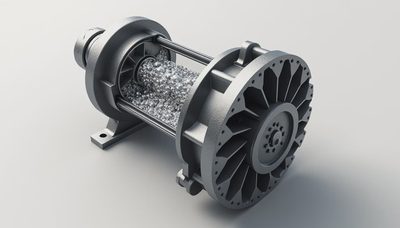
I got asked **can a hydraulic pump be rebuilt** on a copper job in Chile after a loader came in weak, hot, and screaming through the main pump case drain. The young tech wanted to throw parts at it. The foreman wanted a reman unit by sundown. Both were partly right, and both were missing the first rule: diagnose before you spend. I've seen this go wrong. Here's how you avoid it. A hydraulic pump can often be rebuilt, but not every pump should be. The answer depends on contamination, hard-part damage, parts availability, and whether the housing and rotating group are still worth saving.
What a rebuild really means in the field
When people ask **can a hydraulic pump be rebuilt**, they usually mean one of two things. Either they want to reseal a leaking unit, or they want to restore pressure and flow on a worn pump. Those are not the same job. A seal kit fixes external leakage. A real rebuild means teardown, cleaning, inspection, measurement, replacement of worn internals, and proper test-stand verification before the pump goes back on the machine.
On piston pumps, that may include the rotating group, valve plate, bearings, shaft seal, swash plate-related wear surfaces, and charge components. On gear pumps, it may mean gears, bushings, wear plates, and the housing if scoring is present. Vane pumps have their own wear patterns, especially on cam rings and vanes.
Field Lesson: if the system ate itself and sent metal downstream, rebuilding only the pump without flushing lines, tank, cooler, and valves is how you buy the same failure twice.
A proper rebuild is not just replacing what looks ugly. It is restoring internal clearances and confirming the case, shaft, and bores are still within spec.
Signs a hydraulic pump is a good rebuild candidate
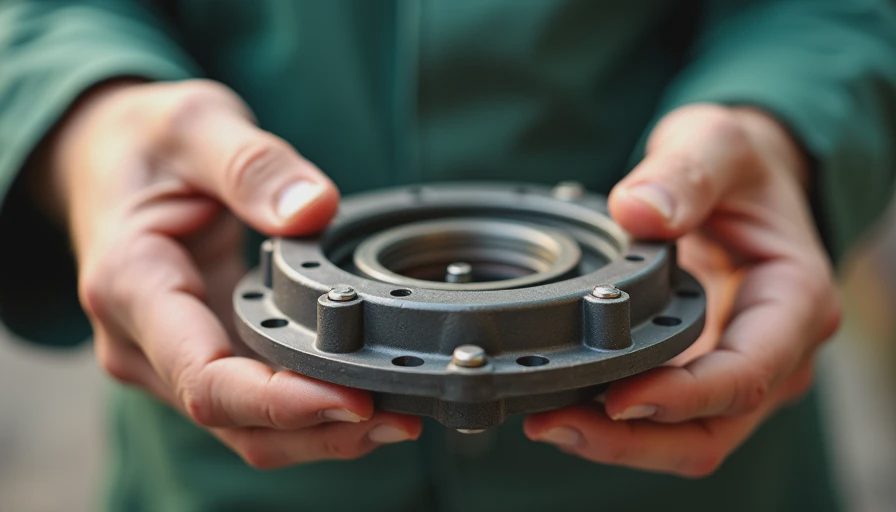
Yes, **can a hydraulic pump be rebuilt** is often answered with a solid yes when the failure was caught early. Pumps that still have a usable housing, a good shaft, and no catastrophic fragmentation are often worth rebuilding. Common rebuildable conditions include worn bearings, a leaking shaft seal, moderate wear on internal surfaces, lower-than-spec pressure, or increased case drain on a piston pump without severe metal transfer.
If the machine still moved but got slow when hot, that is often a wear story, not a total destruction story. I have seen excavator and loader pumps saved when oil samples caught rising contamination early and the operator reported sluggish hydraulics before the unit grenaded.
You also look at economics. On common pumps from Caterpillar, Komatsu, Deere, Volvo, or Hitachi support channels, kits and hard parts are often available through OEM and hydraulic specialty shops. In many cases, a rebuild can run hundreds to a few thousand dollars less than full replacement, especially on larger off-highway equipment.
Safety Alert: before any pump removal, relieve hydraulic pressure, lock out stored energy, and tag the machine. A trapped line can hurt or kill a technician in a heartbeat.
When the answer is no and replacement is smarter
Sometimes **can a hydraulic pump be rebuilt** should be answered with no, and no amount of optimism changes that. If the housing is cracked, the bore is badly scored, the shaft spun in the bearing area, or the rotating group came apart and spread hard metal through the case, you may be past rebuild territory. The same goes for pumps that have been run dry long enough to blue components from heat.
Spent two weeks on that site. Here's what I learned. A dozer in West Africa came in after an improper hose repair dumped oil and the operator kept working. By the time we opened the pump, the slippers, plate, and case were all damaged. Technically, you could source enough parts to make it live again. Practically, the labor, delay, and risk made a replacement pump the smart move.
Obsolete pumps are another issue. Even if the answer to **can a hydraulic pump be rebuilt** is yes in theory, no parts means no reliable rebuild. Some shops can machine or salvage, but that only makes sense for rare equipment or specialty applications where replacement is unavailable.
How a proper shop decides if the pump can be rebuilt
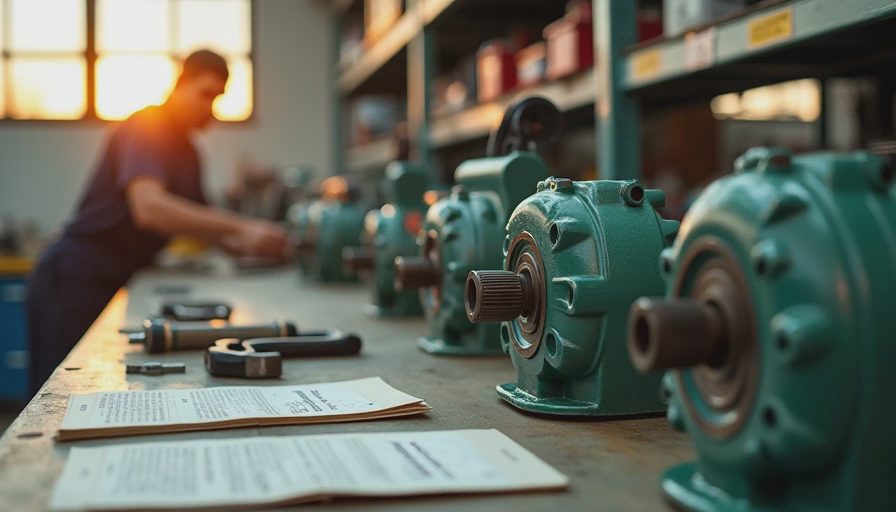
A real hydraulic shop does not guess. First, they identify the failure mode. Was it contamination, cavitation, aeration, overheating, overspeed, misalignment, or plain wear? Then they strip the pump, clean every component, and inspect all critical surfaces. Measurements matter. End clearance, shaft condition, bore wear, and surface damage tell the truth faster than opinions do.
On a piston pump, case drain numbers before teardown are useful clues, but the bench inspection makes the final call. On gear pumps, scoring in the body and cover often decides whether the core is salvageable. If the housing is too far gone, all the new internal parts in the world will not restore efficiency.
A good shop will also tell you what else must be repaired. If the suction line was restricted, if the reservoir breather failed, or if a cooler bypass stuck, that root cause has to be fixed. Otherwise the rebuilt unit becomes the next victim.
I've seen this go wrong. Here's how you avoid it: ask for failure photos, a parts list, and a test report. If a shop cannot provide that, keep shopping.
Cost, downtime, and the smartest decision for your machine
So, **can a hydraulic pump be rebuilt** and should you do it? For many contractors and mine maintenance teams, the decision comes down to downtime and risk. A rebuild is often the right call when the pump core is sound, the rebuild source is reputable, and the machine is not mission-critical enough to justify a new unit immediately. A quality reman or rebuilt pump can be a strong value.
But if your machine is feeding a crusher, loading out trucks, or holding up a whole paving spread, the cheapest option on paper can become the most expensive choice in the field. One extra day of lost production can eat the savings fast.
My rule is simple. Rebuild when the core is healthy, contamination is controlled, and the shop can test the finished unit. Replace when hard parts are destroyed, parts are scarce, or failure consequences are too high.
Field Lesson: never install a rebuilt pump into a dirty system and call the job done. Change filters, inspect the tank, flush lines as needed, and cut open the old filters. That ugly debris tells the rest of the story.
If you're still asking **can a hydraulic pump be rebuilt**, the honest answer is yes, often. Just do not confuse possible with wise. The right answer comes from teardown evidence, root-cause correction, and a cold-eyed look at downtime.