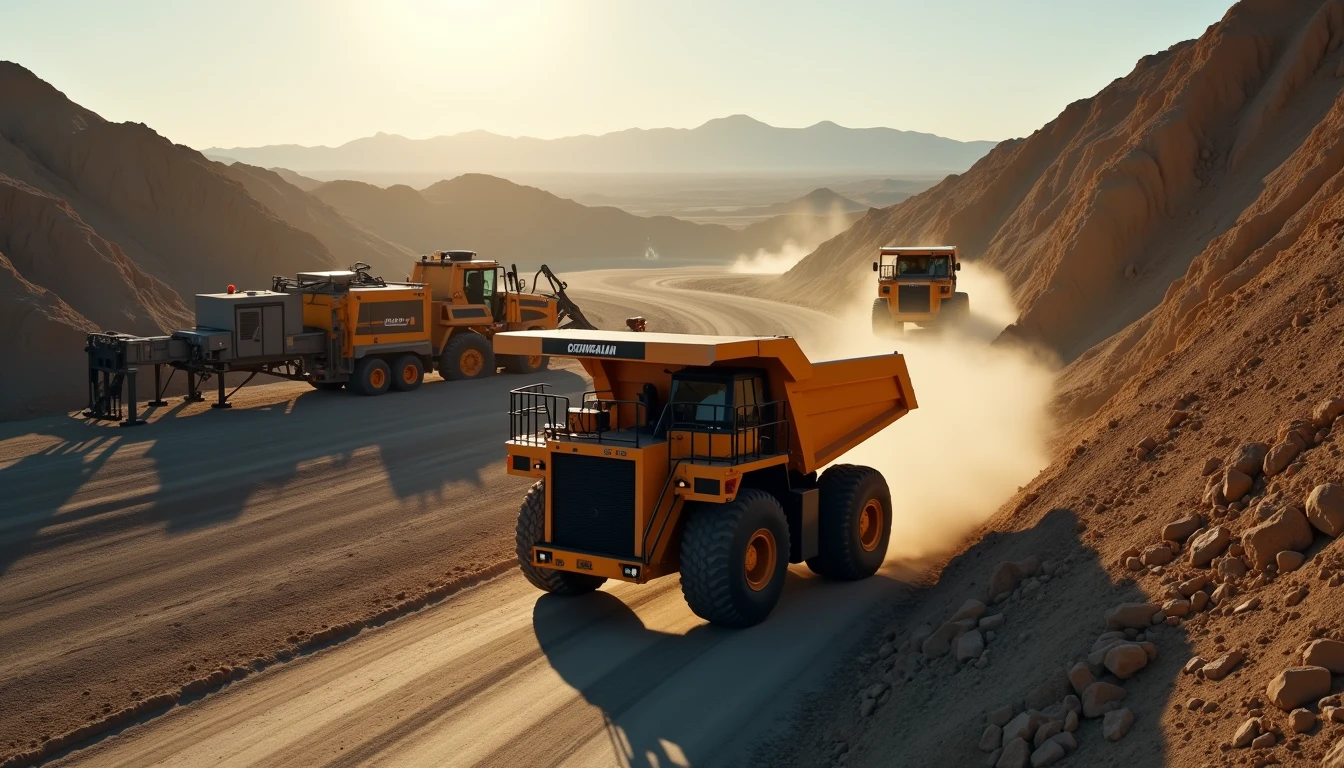
CONEXPO 2026 puts fleet ROI and uptime on display, from 60-ton ADTs to 600-tph mobile crushing
The Big Picture
I watched a superintendent in Chile sign off on a “simple fleet refresh” after a trade show demo. Six months later, his quarry was bleeding uptime because the new iron didn’t match their haul roads, their maintenance staffing, or their fuel plan. The machine wasn’t “bad”—the decision process was. That’s the real business value of CONEXPO-CON/AGG: it’s a live proving ground where fleet managers can validate productivity claims, check service access, and pressure-test technology under real working conditions before they write a capital plan.
CONEXPO 2026 (March 3–7 at the Las Vegas Convention Center) is positioned as North America’s largest construction trade show, pulling in contractors, engineers, fleet managers, and other decision-makers across asphalt, aggregates, concrete, earthmoving, lifting, mining, and utilities. The event scale matters to operations: CONEXPO accommodates 269,418 sq m and 2,000 exhibitors, with indoor halls and outdoor demonstration areas where equipment operates instead of sitting on polished carpet. For procurement teams and maintenance leads, that’s where the “so what” lives—seeing how machines behave in terrain, cycle work, and material flow, not in a brochure.
Safety Alert: Demos make equipment look easy. Don’t let show conditions override your site reality—grade variability, operator skill range, dust control, and maintenance windows decide your mean time between failures, not the marketing booth.
Key Details
CONEXPO 2026’s highlights, as reported, point to a few decision-critical buckets: earthmoving, hauling, crushing/screening, loading, and lifting—plus the rising layer of telematics and smart jobsite tools.
Earthmoving: Caterpillar 319 Excavator (19–20 ton class)
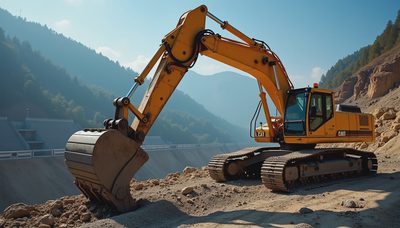
The Caterpillar 319 is described as a new 19–20 ton hydraulic excavator designed for improved stability and lifting performance. Power is listed as a Cat C3.6 engine (133 hp), with a wider undercarriage and up to 7% higher lifting capacity compared to earlier models.
For a fleet manager, the practical angle is this: small percentage gains in lift can translate into fewer repositions and cleaner truck loading—if your work is lift-constrained (pipe placement, trench boxes, setting precast). But you need to validate that the “up to 7%” benefit applies to your typical radius and configuration, not just a best-case chart condition.
Hauling: Volvo A60 Articulated Dump Truck (60-ton capacity)
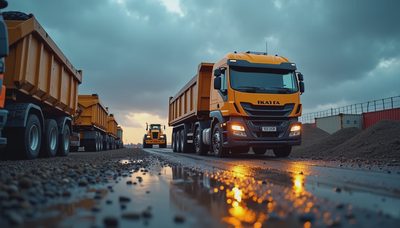
The Volvo A60 is positioned as one of the largest articulated dump truck models at the show, with 60-ton hauling capacity. The new generation integrates Volvo Haul Assist technology, on-board weighing, and improved fuel efficiency targeted at quarry and infrastructure projects.
On-board weighing and haul-assist functions aren’t just “nice to have”—they can reduce chronic overloading (frame stress, driveline wear) and underloading (lost productivity). If you’re running mixed operator skill levels, the on-board weighing piece can help standardize payload discipline.
Field Lesson: I’ve seen ADTs live two very different lives on the same site—one crew loads by feel and beats the suspension to death; another crew loads by payload targets and gets predictable tire and driveline life. On-board weighing doesn’t replace a good loader operator, but it can keep bad habits from turning into catastrophic maintenance surprises.
Crushing and screening: Mobile impact capacity up to 600 tph
Two machines called out for size and throughput:
- Edge Innovate VS750s (53-tonne) shredder/crusher class equipment.
- SBM Mineral Processing REMAX 600 mobile impact crusher listed at 23+ tons with up to 600 tph capacity.
Throughput numbers like 600 tph are procurement bait for aggregate producers, but they only pay off if your upstream feed, downstream stacking, and maintenance support can keep the plant fed and running. Bottlenecks aren’t theoretical—your loader size, scalping strategy, and belt cleanliness determine whether you see anything close to rated capacity.
Loading and hauling lineup: Komatsu wheel loaders and haul truck
Komatsu’s new WA475-11 and WA485-11 wheel loaders and the HD 605-10 haul truck are noted as part of the loading/hauling category presence. No performance figures are provided in the source, so treat them as lineup signals rather than spec-based comparisons.
Lifting and utilities: Elliott transmission digger derrick
A 100-foot Elliott Equipment transmission digger derrick is highlighted. For utility and line construction fleets, reach class is a key procurement filter; the business case usually hinges on reducing setup moves and meeting work envelope needs with fewer specialized units.
Safety Alert: A 100-foot class unit changes your hazard profile—clearance, outrigger setup, and ground bearing pressure become the job. Confirm your work procedures align with OSHA expectations for lifting operations and site controls before you put it in production.
Operational Impact
CONEXPO’s value for decision-makers is less about “what’s new” and more about compressing the learning cycle on total cost of ownership drivers:
- Uptime and maintainability: Outdoor demos let maintenance supervisors check access points, undercarriage exposure, and how systems behave when pushed—not just idling for photos.
- Payload control and operational discipline: With trucks like the 60-ton Volvo A60 featuring on-board weighing, fleets can pursue more consistent payload management, which supports predictable component life and can reduce rework from spillage or overburden handling.
- Material production planning: A mobile impact crusher rated up to 600 tph forces you to think in systems—feed logistics, product sizing strategy, and wear-part planning. If your operation can’t support the flow, you’re buying stranded capacity.
- Fleet standardization: Seeing multiple OEMs in one place helps procurement compare platform direction—especially around telematics, jobsite automation, and alternative power messaging noted as core themes.
What to Watch
The source points to industry-wide themes driving the show: advanced telematics, alternative fuels, next-generation excavators, and fully electrified fleets—all framed around productivity, sustainability, and smart operations.
From a compliance and governance standpoint, fleet managers should use events like this to pressure-test how new tech supports reporting discipline and operational controls (payload management, utilization tracking, and maintenance planning). Even when regulatory specifics aren’t cited, the direction is clear: digital fleet management tools are becoming part of how owners defend uptime, cost, and operational accountability.
Safety Alert: Telematics won’t save you from a bad preventive maintenance schedule. If you don’t have clean inspection routines and locked-in service ownership, all you get is better data about the failure you didn’t prevent.
Bottom Line
CONEXPO 2026 is a working-scale filter for fleet investments: 269,418 sq m of equipment exposure, 2,000 exhibitors, and outdoor demos where machines operate under real conditions. Use it like a field test, not a shopping trip.
If you’re planning upgrades in the next cycle, prioritize hands-on validation of:
- 19–20 ton excavator lift/stability gains (Cat 319, 133 hp, up to 7% higher lifting capacity) against your actual lift charts and work radius.
- 60-ton ADT payload control tech (Volvo A60 with Haul Assist and on-board weighing) as a lever for consistent loading, reduced abuse, and more predictable component life.
- Crusher throughput realism (SBM REMAX 600 up to 600 tph) by mapping your feed and support equipment so capacity translates into revenue, not downtime.
Make the show earn its keep: bring operations, maintenance, and safety into the same walkaround, and don’t sign off on iron you haven’t stress-tested against your site realities.
This trade briefing ties CONEXPO 2026 equipment highlights—Cat 319 (19–20 ton), Volvo A60 (60-ton), and SBM REMAX 600 (up to 600 tph)—to uptime and TCO decisions.