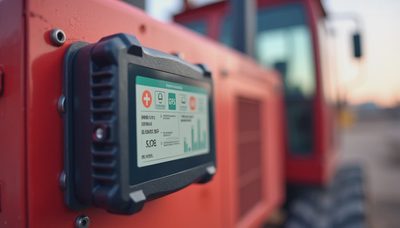
I watched a mid-size earthmoving outfit in Nevada keep three tired wheel loaders in service about 2,000 hours past where they should have been traded. On paper, they were “paid for.” In the dirt, they were killing production with hydraulic leaks, repeat cooling problems, and one transmission fault that shut down a crew for half a day. That is what construction fleet replacement cycle optimization is really about: not spreadsheets alone, but timing machine exits before downtime, safety risk, and repair bills gang up on you. I've seen this go wrong. Here's how you avoid it.
Start with total owning and operating cost, not emotion
Too many fleets make replacement calls based on gut feel. A superintendent likes a machine, a foreman says it still starts every morning, or ownership wants to squeeze one more season out of iron that has already told you it is tired. That is how you lose money quietly. Construction fleet replacement cycle optimization starts with total owning and operating cost by machine class and by unit.
Track purchase price, finance cost if any, fuel burn, planned maintenance, major repairs, undercarriage or tire costs, and downtime impact. A dozer with a fresh engine but worn finals, loose blade pins, and chronic electrical faults is not “good as new.” It is a machine with one expensive problem solved and several more waiting in line. I like to chart cost per hour over the life of the unit. In many fleets, the curve stays manageable, then bends upward hard once major component life starts stacking up.
Field Lesson: I spent two weeks on a site in western Colorado where a contractor kept an older excavator because the payment book was closed. By the time they added swing bearing work, hose failures, lost truck loading time, and emergency field service, that “cheap” machine was the most expensive unit on the project.

Know the trigger points that mean a machine is entering the danger zone
Every fleet has warning signs, but a lot of managers wait for catastrophic failure instead of recognizing patterns. Construction fleet replacement cycle optimization works best when you define replacement triggers before emotions take over. I recommend setting hard review points based on hours, age, repair history, and availability.
For example, if a loader has two major hydraulic events in one year, availability drops below your target, and scheduled service keeps turning into unscheduled work, it is time for a real replacement review. Same if a dozer is nearing undercarriage renewal, shows elevated contamination in oil samples, and has operator complaints about powertrain response. None of those items alone always kills a machine. Together, they tell a story.
Safety Alert: Worn machines do not just cost money. Sloppy articulation joints, weak brakes, steering drift, poor visibility from patched glass, and chronic fluid leaks raise the chance of injury. If replacement is being delayed, inspections need to get tougher, not looser.
A good rule is simple: if repair planning starts revolving around how to survive the next six months instead of how to support the next two years, you are already late.
Build replacement windows by machine class, not one-size-fits-all rules
One mistake I saw across continents was using the same replacement mindset for every asset. That is lazy fleet management. An excavator on pipe work, a wheel loader in a quarry, and a compact track loader on urban jobs live very different lives. Construction fleet replacement cycle optimization means building separate windows for each class based on duty cycle, environment, and resale strength.
A well-maintained backhoe in lighter utility work can often stay productive far longer than a quarry loader eating abrasive material every day. A scraper in a short-haul dirt spread operation may age gracefully if haul roads are kept right, while the same machine gets hammered on rough, overloaded runs. Idle hours matter too. Machines that spend half their life idling can show deceptive meter readings while racks up wear in cooling systems, emissions components, and engines.
I like a simple three-band system: keep, monitor, replace. Put each unit in one band every quarter. If too many machines sit in monitor for too long, your capital plan is lying to you. Good fleets stagger replacements so they do not dump half the iron in one year and starve the shop the next.
Use resale timing, dealer support, and rebuild options wisely
There is money in selling a machine before the market smells trouble. I have seen owners miss strong trade value because they waited until the cab was rough, the tires were thin, and fault codes had become part of the morning routine. Construction fleet replacement cycle optimization is partly about catching the sweet spot where resale is still strong and your next owner sees a service history, not a rescue mission.
Dealer support matters here. Caterpillar, Komatsu, Deere, Volvo, and Hitachi all have machine classes where parts support and resale can stay solid for a long time, but that does not mean every unit deserves to stay in the fleet. Sometimes a certified rebuild makes sense, especially for high-value production iron with a known history. Sometimes it is a trap, especially when the rebuild cost approaches replacement money and the rest of the machine is worn around the major components.
Spent two weeks on that site. Here's what I learned: rebuild only when the frame, structure, application, and future workload justify it. Do not rebuild because you are afraid to price new iron.
Turn optimization into a practical fleet plan
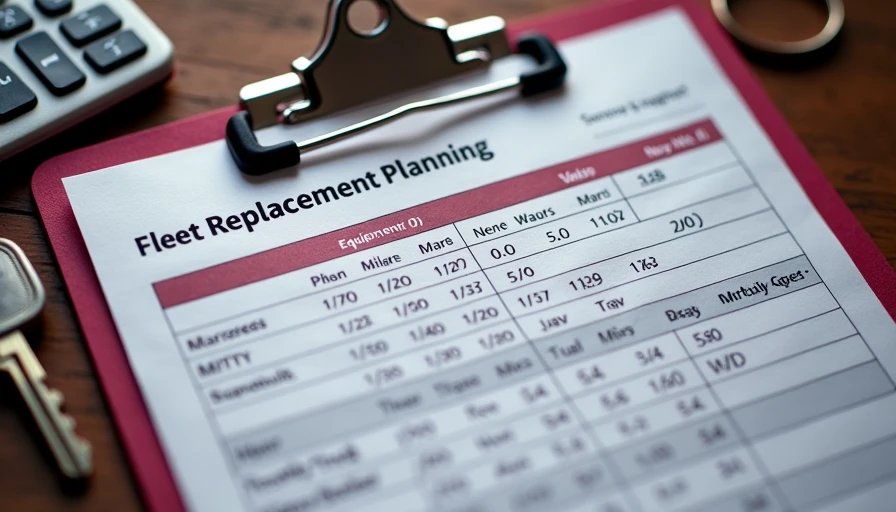
If you want construction fleet replacement cycle optimization to work, put it on a calendar and tie it to real shop data. Review each unit quarterly. Rank the fleet by cost per hour, downtime hours, safety defects, and expected component events over the next 12 months. Then build a 24- to 36-month replacement map so ownership can see cash needs before the panic starts.
Include your service manager, foreman, and one operator who tells the truth. Operators often know six months ahead which machine is getting weak. Pair that with fluid analysis, telematics, inspection reports, and utilization numbers. Then make decisions early enough to order equipment, line up financing, and capture better trade value.
The payoff is straightforward: fewer breakdowns, more predictable bids, better crew confidence, and less money lit on fire in emergency repairs. If your fleet has units that are always “almost okay,” start there. I've seen this go wrong. Here's how you avoid it: measure honestly, replace before failure owns the schedule, and treat timing as a profit tool, not an afterthought.